Article Summary
- Google evaluates website quality through E-E-A-T (Experience, Expertise, Authoritativeness, and Trustworthiness), making trust the single most important factor for long-term search performance.
- YMYL (Your Money or Your Life) topics face higher scrutiny, requiring verified expert authors, primary citations, real case studies, and transparent business information.
- Real search success stems from building genuine customer confidence and bottom-line revenue rather than chasing vanity metrics, superficial word counts, or automated review widgets.
- TruNorth Advisors specializes in modernizing your organization’s approach to SEO and delivering results that make a difference for your bottom line.
Building Trust for SEO: What Matters for Google Rankings
At TruNorth Advisors, we spend a lot of time talking with business leaders who feel like they are doing everything “by the SEO playbook,” yet their search performance remains stagnant. They produce weekly articles, hit targeted word counts, and track keyword rankings daily. But when they check their bottom line, revenue isn’t moving. Why?
Because modern search engines have evolved. Search algorithms are no longer tricked by high content volume or superficial keyword placement. Instead, Google prioritizes genuine SEO trust signals. Our team is happy to explain what trust signals for SEO really mean, how Google evaluates content, and how aligning your site with user confidence drives sustainable business growth.
What Are Trust Signals in SEO and How Does Google Evaluate Content?
Trust signals in the digital space work exactly like trust in real-world business partnerships. If a consultant makes big promises but lacks verifiable credentials, client references, or direct experience, you hesitate to work with them. Google operates the exact same way.
Understanding how Google determines website quality requires looking at three distinct concepts that often get lumped together:
- Expertise: The depth of real knowledge, skill, and practical understanding demonstrated in the content.
- Authority: The external recognition of your site as a go-to resource in your industry, often reinforced through brand mentions, backlinks, and topical coverage.
- Trustworthiness: The underlying foundation of safety, accuracy, transparency, and legitimacy of your website and brand.
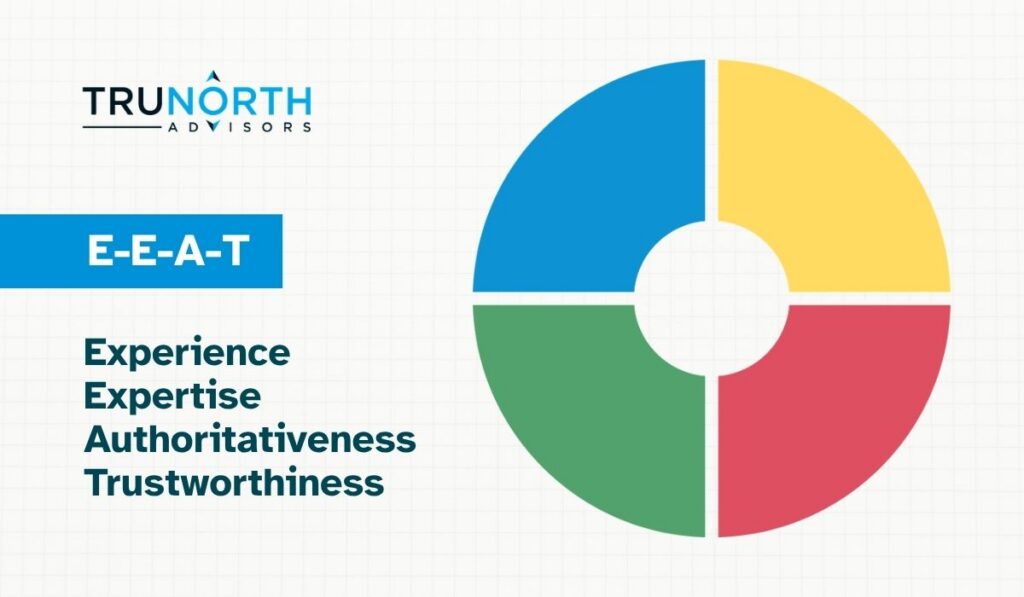
Together, these form the core of Google E-E-A-T (Experience, Expertise, Authoritativeness, and Trustworthiness). While Experience, Expertise, and Authority contribute to your overall reputation, Trustworthiness is the central anchor of EEAT signals. An untrustworthy page cannot rank well, regardless of how authoritative it claims to be.
To explore this shift in depth, read our detailed article on how search is moving from traffic to trust. Focusing strictly on vanity traffic metrics without building trust leads to high bounce rates and zero conversions. Real growth happens when you build trust that turns visitors into buyers.
Why YMYL Ranking Factors Require Stronger Website Trust Signals
If your business operates in legal, healthcare, financial services, or high-stakes business advisory, your site falls under Google’s “Your Money or Your Life” (YMYL) standard. For these industries, search quality guidelines are applied with strict rigor because inaccurate or misleading information could directly harm a reader’s financial stability, health, or safety.
This is why YMYL ranking factors place an immense emphasis on verified credibility.
When Google rolls out search updates, business owners frequently ask: How do Google core updates affect YMYL websites? The short answer is that YMYL sites experience higher volatility whenever their content lacks clear proof of expertise. Chasing general keywords with generic summaries isn’t enough; you must demonstrate hands-on experience, clear author accountability, and impeccable factual accuracy.
Key SEO Authority Signals and Trust Signals That Help Google Rankings
Building long-term website authority SEO isn’t a mystery. It comes down to implementing proven Google trust signals across your entire site structure.
Demonstrating Real Experience & Expert Authors
One of the most effective E-E-A-T ranking factors is attributing your content to qualified experts. Anonymous posts or generic “Admin” bylines undermine consumer and algorithmic trust. Provide comprehensive author biographies detailing professional credentials, industry experience, awards, and links to verified social or professional profiles.
For practical steps on optimizing your team’s profiles, check out our guide on simple ways to rank for E-E-A-T.
Publishing Original Insights, Case Studies, and Data
Google explicitly rewards primary-source insights over rehashed commentary. Incorporating original survey data, proprietary frameworks, original visual graphics, and real-world case studies sends positive SEO authority signals to search engine crawlers. Make sure your About Us and Contact pages clearly display your physical address, direct email addresses, phone numbers, and company leadership.
Smart Internal Linking and Topical Authority
Establishing strong topical authority means organizing content into logical clusters with intuitive internal links. Rather than isolating blog posts, connect related topics to help users and search crawlers navigate your expertise effortlessly.
Additionally, search authority doesn’t operate in a vacuum. Integrating your organic efforts with paid campaigns amplifies your overall market presence. Learn more about this strategic alignment in our article on why organic and paid marketing aren’t competitors.
What Can Hurt Website Trust and Lower Google Rankings?
Just as positive signals build search equity, certain practices actively destroy user trust and damage your organic visibility:
- Mass-Produced, Thin AI Content: Publishing automated articles without human expertise, original thought, or editorial review signals low quality to search algorithms.
- Outdated or Unsupported Claims: Relying on old statistics, missing citations, or exaggerated assertions erodes credibility.
- Keyword Stuffing & Near-Duplicate Pages: Creating dozens of repetitive location or service pages with minimal unique text signals manipulation rather than helpfulness.
What’s Mostly Inconsequential: Busting SEO Trust Signal Myths
Many businesses waste valuable time chasing superficial tactics that fail to move the needle. Let’s debunk a few common myths:
- Inflating Word Counts: Adding filler text simply to reach an arbitrary length does not increase trust. Google values concise, thorough answers over fluff.
- Changing Publish Dates Without Content Updates: Refreshing the timestamp on an article without adding fresh value or accurate updates will not fool quality algorithms.
- Over-relying on Technical Additions: Technical markup organizes data, but it cannot manufacture authority out of thin air. Read about structured data trends in our blog post on the future of schema markup.
Google’s Core Updates: Moving Away from Commodity Content to Drive Bottom-Line Value
A major Google core update from March 2026 moves towards evaluating holistic site quality rather than flagging individual keywords. When a site experiences a traffic decline after an update, it rarely indicates a specific “penalty.” Instead, it means Google found other resources that offer superior depth, clearer trust signals, and better user experience.
Recovering and growing after a core update requires stepping away from commodity content. Shift your focus toward site-wide quality improvements that directly support customer needs and generate actual revenue.
Do Reviews and Review Widgets Help SEO Performance?
Client testimonials and reviews are central to consumer decision-making, but how do they impact search rankings?
Do Google Reviews Improve SEO for Local & Organic Search?
The answer is a resounding yes for local search. Customer reviews on your Google Business Profile represent vital Google ranking factors for local map pack rankings and local organic visibility.
Do Review Widgets Help SEO & Conversion Rates?
This one is a little more nuanced. Third-party review widgets (like TrustIndex or embedded badges) do not directly boost organic rankings on their own. However, they provide high value for user experience and conversion rates. Displaying authentic customer feedback builds confidence, encouraging visitors to take action once they land on your site.
Bottom Line: How Do You Build Trust with Google for Real Business Results?
Does E-E-A-T affect Google rankings? Absolutely. And you build trust with Google by shifting your mindset from chasing algorithm shortcuts to serving real human needs. Focus on verifiable expert author credentials, high-quality original insights, intuitive site structure, and transparent business operations.
At TruNorth Advisors, we act as an extension of your team to help you navigate SEO complexities and turn search visibility into measurable revenue. Discover how we help businesses grow by reviewing our client testimonials and exploring our full suite of marketing advisory services. Contact us today to start building an SEO strategy rooted in trust, authority, and lasting results.